
.svg)

Why Patient Experience Data are so important

Patient experience data (PXD) has become a cornerstone of meaningful patient engagement. Co-creation of such data, carried out jointly by patient experts, industry teams, and facilitation partners, ensures that evidence reflects the real lived experience of those affected, particularly in rare diseases where traditional clinical datasets are inherently limited. Health systems increasingly rely on patient-generated insights to guide regulatory, clinical, and access decisions. This is where structured collaboration becomes essential to producing credible, high-impact outcomes.
Understanding Non-Dystrophic Myotonia (NDM) and Myotonic Dystrophy (DM) Through Co‑Created Evidence (2017–today)
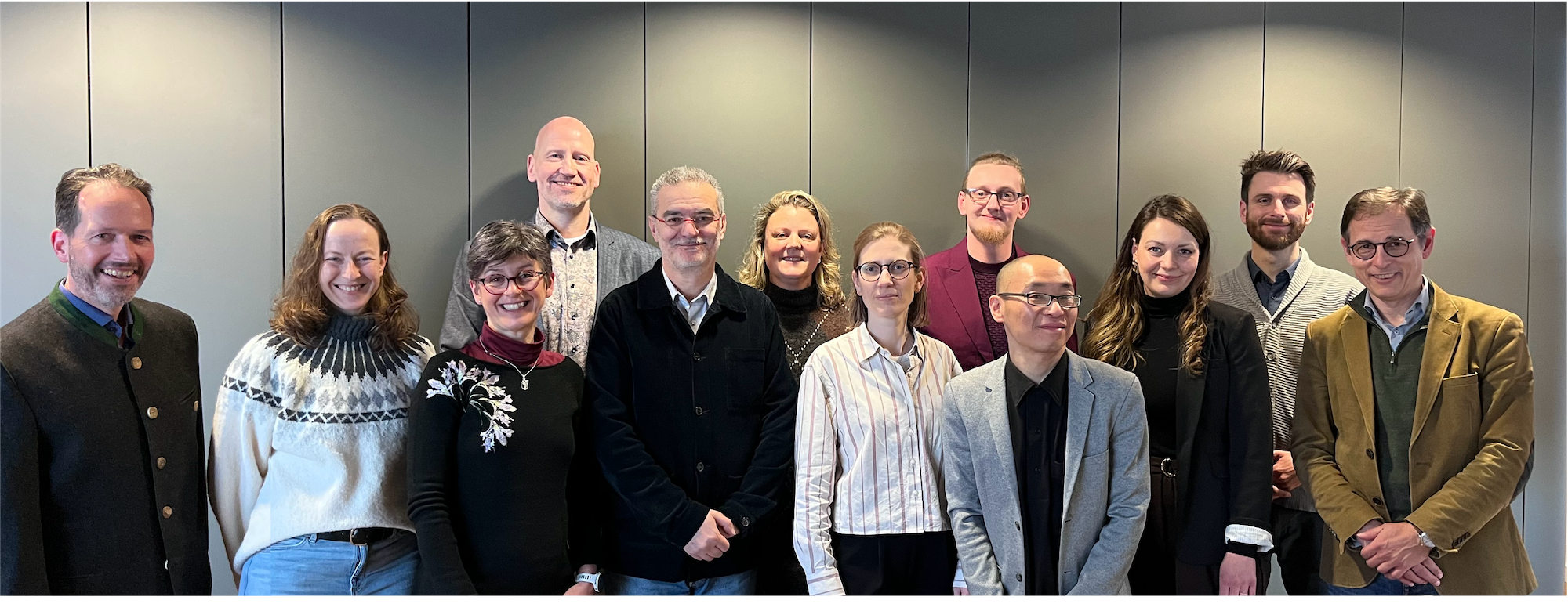
Since 2017, admedicum has collaborated with Lupin Neurosciences and patient advocates across Europe, the UK, and the United States, to co-create high‑quality patient experience data on NDM and DM. This collaboration involved people living with NDM and DM, caregivers, clinical experts, patient organisations, and Lupin’s Medical Affairs team, all working together to map disease burden, support treatment access, and document unmet needs in systematic, internationally coordinated projects. Patient experience data, suitable for clinician and regulatory use, were peer‑reviewed and presented at international conferences.
The partnership resulted in several landmark outputs: First and foremost, The European patient survey was an important component for supporting the EMA’s decision to maintain the orphan-drug-status of Mexiletine for NDM in November 2018. Following that starting point, further outputs resulted in a burden‑of‑disease survey, a multi‑country study on treatment access barriers, and an international patient‑reported survey on the impact of myotonia in DM. These studies, co‑created with patient representatives from the earliest design steps through dissemination, have contributed to the advancement of global understanding of NDM and DM.
Perspectives from the Collaborators
“As regulatory and HTA bodies increasingly integrate patient experience into decision making, co creation models are becoming essential in rare neuromuscular diseases. These approaches expand the understanding of disease burden beyond conventional clinical endpoints and ensure that patient experience meaningfully informs regulatory and development decisions.“
Alla Zozulya Weidenfeller, Head Lupin Medical Affairs Neurosciences
“Lived experience isn’t just anecdotal - it’s essential. When researchers meaningfully engage patients, they gain insights that can fundamentally change how studies are designed, how outcomes are measured, and how successful a therapy can be in everyday life.”
Janet Stone, Epidemiologist (MPH) and Board-Certified Patient Advocate specializing in non-dystrophic myotonia (NDM)
“Complex, rare diseases such as Myotonic Dystrophy are often not fully understood and, because of the familial burden, are subsequently under-represented. Ensuring the patient voice is heard, and lived experience is understood, is essential for making meaningful differences to the community and vital for accurately representing this heterogenous cohort through the drug development and regulatory journey.”
“In rare and complex conditions, the lived experience of the patients and their carers is fundamental to ensure that new treatments focus on the symptoms that are actually important to the patients. This work demonstrates that conditions with differing medical causes can benefit from an effective collaboration of organisations looking at the impact of shared symptoms in the real world.”
Emma‑Jayne and Peter Ashley, Founding Trustees, Cure Myotonic Dystrophy UK Charity
Exemplifying State-Of-The-Art Patient Experience Data Collection

Across all publications, the collaboration followed a consistent patient‑engagement logic: early involvement, equal‑footed contribution, methodological transparency, and continuous dialogue. The collaboration ensured that patient representatives were not merely consulted but meaningfully involved in shaping research questions, reviewing survey tools, interpreting results, and validating the narrative used in external communications.
Together, these projects demonstrate how co‑created patient experience data can shape understanding, guide responsible development, and elevate the patient voice within the neuromuscular field. They also illustrate the power of long‑term, trust‑based collaboration between industry, patient organisations, and a neutral facilitating partner.
Why We Do What We Do At admedicum
This approach reflects admedicum’s core mission: enabling structured co‑creation between patient communities and life‑science partners to generate insights that are both scientifically robust and directly relevant to people’s daily lives. We feel honored and proud to being part of this strong collaboration!