
.svg)

Background
The institutional perspective
Considering patients’ perspectives is increasingly recognized in health technology assessment (HTA). Patient input helps HTA bodies capture unmet need, treatment burden, meaningful outcomes, and acceptable trade-offs between benefits and risks. However, conflicts of interest and other compliance considerations must be addressed.
The patient organizations’ perspective
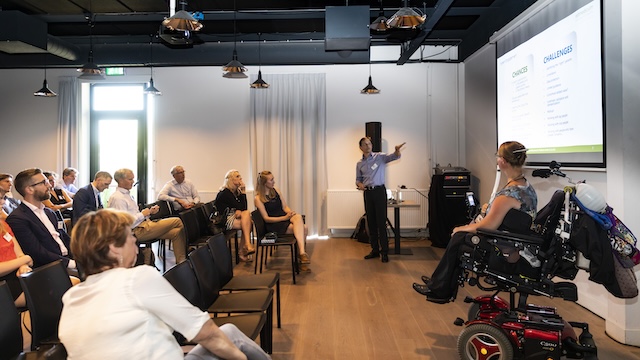
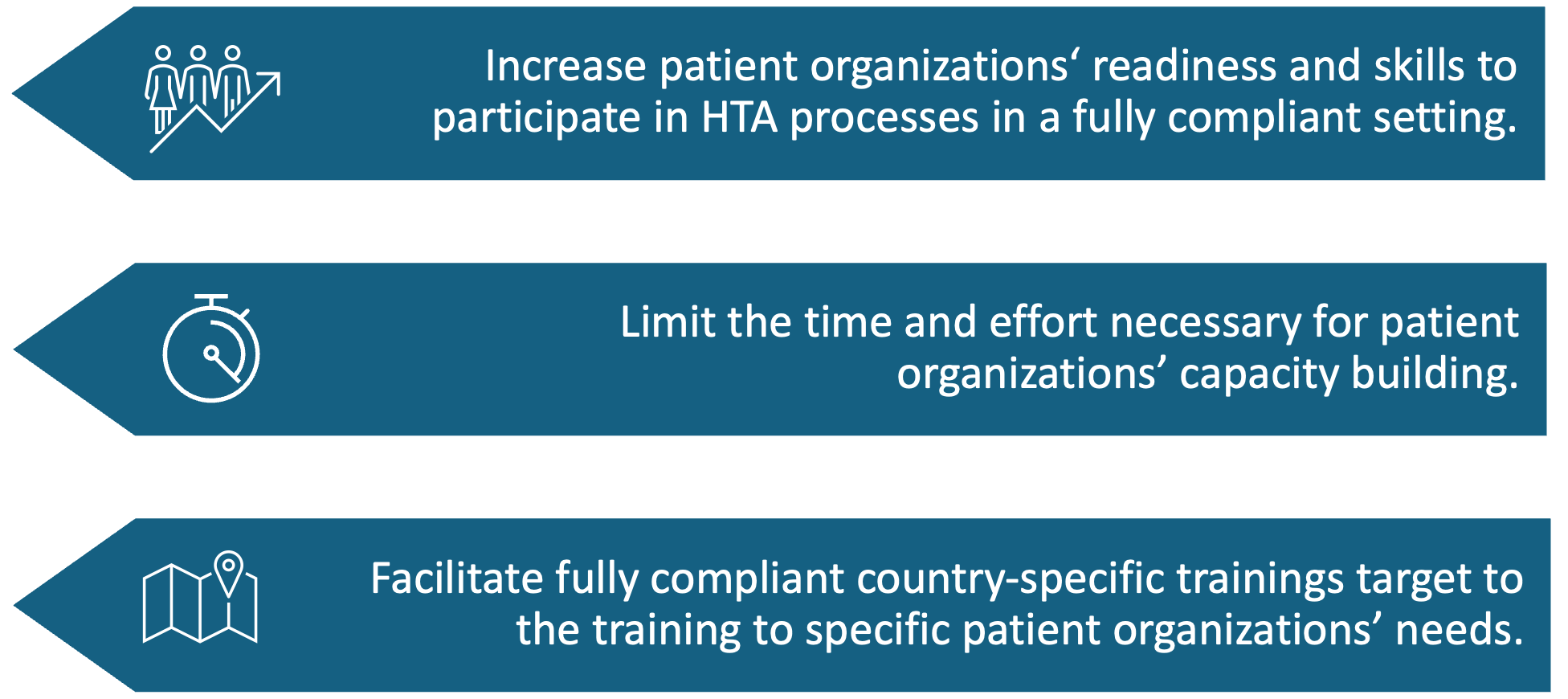
Patient organizations appreciate the opportunity to inform HTA processes. However, they often are concerned that they lack professional knowledge and expertise to contribute meaningfully. Patient organizations - especially smaller ones without paid staff members - often struggle to invest the time for getting prepared for participating in HTA processes even though they would like to express their perspectives. So, they raised the need for an independent and targeted HTA training, which could support capacity building for the upcoming HTA process in their indication.
Aims of the project
The project approach
Participant Feedback
“Thanks again for the beautiful presentation. It was really useful! :) We will try to apply and explore the opportunities mentioned.”
“Thanks for the good and interactive training today. This helps us as an association in our empowerment and influence. Thank you also for sending the presentation. If there are any issues, I will be happy to contact you.”
“Can we have a follow-up training to dive even deeper into this topic?"
"Everything really very interesting… I admit that I was a little worried about the complexity of the subject but thanks to both of you it was very fluid and understandable."
Why we do what we do at admedicum
At admedicum, we firmly believe that real patient involvement is not only possible but essential. For almost 10 years, we have been bringing together people living with chronic and rare diseases with companies, researchers, and healthcare providers – as equals. Because only together can we create solutions that truly make a difference.
Want to learn more about patient preference research, please contact us. We are eager to collaborate and explore how to support you best.